Best Places to Visit in June in India
(2026) - A Real Traveler's Guide
Best Places to Visit in June in India
June is the month most Indian travel blogs tell you to stay home. "Too hot," they say. "Monsoon is unpredictable." And if you're sitting in Delhi or Jaipur sweating through 44°C afternoons, that advice probably feels right.
But here's the thing - June might actually be the best month to travel in India if you pick the right destination.
The Himalayan highways reopen. Ladakh's landscape turns accessible. Kerala's tea gardens go brilliantly green. The Sindhu Darshan festival lights up Leh. The Valley of Flowers in Uttarakhand starts its short bloom window. While millions of people are stuck indoors running their ACs, a smaller group of travelers is having some of the best trips of their lives.
This guide is for that second group. I've covered a lot of ground across India in June - Ladakh road trips in early June when the passes are still half-snowed, monsoon mornings in Coorg where the smell of coffee and wet earth is something genuinely hard to describeand quiet afternoons in Nainital when the lake looks like polished steel. What's below is not a recycled list. It's what actually works, explained with the practical detail you need to actually use it.
What June Actually Looks Like Across India
Before picking a destination, you need to understand what June does to different parts of the country.
North Indian plains
(Delhi, Rajasthan, UP, MP): 40–46°C. Brutal. Not the time to be outdoors unless you're visiting a very specific heritage site with climate-controlled interiors.
Himalayan belt
(HP, Uttarakhand, Ladakh, J&K): 10–25°C depending on altitude. This is the sweet spot. Roads open up, passes become accessibleand the landscape post-snowmelt is genuinely something else.
Western Ghats
(Kerala, Karnataka, Goa): Monsoon arrives by June 1–5. Temperatures drop to 18–26°C. Everything turns lush, waterfalls begin, rivers swell. Some of the most atmospheric travel in India happens here in early June.
Northeast
(Meghalaya, Arunachal, Sikkim): Heavy monsoon. Cherrapunji gets the most rain on earth. Tawang clears up just before the season. Beautiful, but you need to check road conditions carefully.
Rajasthan hill stations
(Mount Abu): 20–28°C. Underrated for June. Worth including if you're in western India.
Welcome to Satnam Travels
The Best Places to Visit in June in India - Detailed Guide
1. Leh-Ladakh - The Crown Jewel of June Travel
If there's one destination that June was made for, it's Ladakh. Here's why the timing matters: the Manali–Leh highway typically opens between May 15–25, but tourist traffic stabilizes only by early June after BRO completes safety checks on the high passes. The Srinagar–Leh highway opens even earlier, usually by late March or April. So by the first week of June, you have two routes into Ladakh, the snow is still visible on the passes (which is gorgeous)and the crowds haven't arrived yet. July–August is busier. June is the sweet spot.
Temperature: 5–18°C in Leh. Colder at high passes (Khardung La, Chang La).
What to do::
- ✓ Drive Khardung La (5,359 m) - one of the world's highest motorable roads
- ✓ Camp beside Pangong Tso (the lake is cleaner and less crowded in June)
- ✓ Explore Nubra Valley and spot Bactrian camels at Hunder sand dunes
- ✓ Visit Hemis, Thiksey and Alchi monasteries
- ✓ Attend the Sindhu Darshan Festival (usually held in early June at Nimoo)
- ✓ Trek in Markha Valley or Stok Kangri (for experienced trekkers)
Practical information:
- ✓ You need Inner Line Permits for Pangong, Nubra, Tso Moriri and Dah-Hanu. Get these in Leh from the DC Office or online. Cost: ₹200–400 per area per person.
- ✓ Acclimatize properly. Spend at least 2 full days in Leh before going to high-altitude spots. AMS (Acute Mountain Sickness) is real and affects fit young people too.
- ✓ Budget accommodation in Leh: ₹700–1,500/night. Mid-range guesthouses: ₹2,000–5,000.
- ✓ Private taxi from Manali to Leh: ₹18,000–22,000 (2026 rates). Shared taxis also available.
- ✓ Flights to Leh from Delhi: ₹4,000–9,000 depending on booking window. Book 6–8 weeks out for June.
Best for: Photographers, adventure seekers, people who specifically want to avoid crowds, motorcyclists.
One honest warning: If you're going by road via Manali–Leh and it's early June, be ready for one-way traffic days (odd/even system on alternate days between Darcha and Sarchu).
Check the BRO status before departure every single day. Conditions can change fast at 5,000 metres.
Best for: Bikers, road-trippers, photographers, solo travelers, couples who want something genuinely different.
2. Manali, Himachal Pradesh - Still Worth It (If You Know What to Expect)
Manali gets written off a lot by serious travelers because it's popular and sometimes overcrowded. Fair point. But June Manali - before the peak July school holiday rush - is a different experience.
The temperature stays between 10–20°C. Solang Valley still has snow at its upper end. Rohtang Pass is open (you'll need a Rohtang permit - apply at rohtangpermits.nic.in at least 2–3 days ahead, costs ₹500). The river is running high on snowmelt, which makes white-water rafting on the Beas one of the better experiences in North India.
What to do:
- ✓ Raft the Beas at Pirdi (Grade III–IV in June; higher water than August)
- ✓ Paragliding at Solang Valley - ₹1,500–2,500 per flight
- ✓ Hike to Jogini Waterfalls (1.5 hours from Old Manali)
- ✓ Hampta Pass trek (4,270 m) - 4–5 days, excellent in June
- ✓ Visit Hadimba Temple in old deodar forest
- ✓ Walk Old Manali for cafes and bakeries
Practical information:
- ✓ Decent hotels in Manali: ₹1,200–3,500/night in June. Book 3–4 weeks ahead as demand rises in the second half of the month.
- ✓ App-based cabs are unreliable here; hire local taxis. Manali to Solang Valley taxi: ₹600–800 return.
- ✓ If you're planning to drive onward to Leh, budget 2 days on the highway and carry extra fuel - petrol stations are non-existent for 250 km after Keylong.
Best for: Adventure sports, families, couples, people using Manali as a base for Spiti or Ladakh.
3. Spiti Valley, Himachal Pradesh - The Less-Crowded Answer to Ladakh
If someone tells you they went to Ladakh in June and you ask them why not Spiti, most of them won't have a good answer. Spiti is everything people love about Ladakh - raw, high-altitude, Buddhist monasteries, stark Himalayan desert - with a fraction of the tourist volume.
The Manali–Kaza route via Rohtang Pass and Kunzum Pass opens in late May/early June. The Shimla–Kaza route via Kinnaur stays open longer and is less affected by snow. June is actually the ideal month for Spiti because the valley is fully accessible, the skies are clear and you won't be sharing the road with convoys of bikes.
What to do:
- ✓ Visit Key Monastery (Ki Gompa) - built in the 11th century at 4,166 m, one of the most striking monastery locations in Asia
- ✓ Stay in Langza village and try to spot Langza Buddha and fossil hunting (area has marine fossils from when it was seabed)
- ✓ Trek to Chandratal Lake - a crater lake at 4,300 m, one of the most beautiful places in India
- ✓ Visit Dhankar Gompa - monastery perched on a cliff above the confluence of Spiti and Pin rivers
Practical information:
- ✓ Kaza (main town) has basic hotels and homestays. Expect ₹800–1,800/night.
- ✓ Carry enough cash. ATMs in Kaza have a daily limit of ₹5,000 and sometimes run out.
- ✓ Petrol in Kaza is more expensive than plains. Fill up completely.
- ✓ No mobile internet for most of Spiti. BSNL has the best coverage.
✓ Best for: Photographers, adventure seekers, people who want to avoid crowds, motorcyclists.
4. Kasol and Parvati Valley, Himachal Pradesh - The Backpacker's Pick
Kasol sits in the Parvati Valley at about 1,640 m altitude, where the river runs cold and fast even in June when most of India is baking. It's become popular, yes - but early June is before the summer crowd really hits and the valley itself is long enough that walking 30 minutes from Kasol puts you in genuinely quiet territory.
The snow on the trail to Kheerganga (a natural hot spring at 2,960 m) typically melts enough by early June for the trek to be doable. That 12 km trek, done in 4–5 hours one way, is one of the better overnight trekking experiences in Himachal for people who aren't technical trekkers.
What to do:
- ✓ Trek to Kheerganga (12 km, 1 day or overnight; hot spring at the top is worth it)
- ✓ Walk to Chalal village (30-minute walk from Kasol across a suspension bridge)
- ✓ Try bouldering near the river at Kasol - informal climbing spots near cafes
- ✓ Trek toward Tosh and Pin Parvati Pass for experienced trekkers
✓ Temperature in June: 15–25°C in Kasol. Comfortable.
Practical information:
- ✓ Budget stays in Kasol: ₹500–1,200/night. Camping near the river is possible.
- ✓ Bhuntar is the nearest airport (30 km). Volvo buses from Delhi to Bhuntar cost ₹800–1,200.
- ✓ The Kheerganga trail can be slippery in early June if snow remains. Carry trekking poles.
5. Nainital, Uttarakhand - Reliable Family Travel
Some places don't need reinvention. Nainital works for families in June because it just works - the lake, the cable car, the pleasant 15–28°C weatherand the fact that it's well-connected and has decent hotels at every price point.
The best thing about Nainital in June (before the school holidays turn it into a traffic nightmare from mid-June onward) is early morning on Naini Lake. The water is still and the air is cool. Boats are out by 7 AM. That's genuinely worth setting an alarm for.
What to do:
- ✓ Boating on Naini Lake (rowing boats ₹250–400/30 mins; paddleboats also available)
- ✓ Snow View Point via cable car (Uttarakhand Ropeway, ₹150 return) - on clear mornings you can see the Himalayan range
- ✓ Walk to Eco Cave Garden - decent for kids
- ✓ Bhimtal and Sattal (15–25 km from Nainital) are excellent day trips if you have a vehicle; much less crowded with beautiful lakes
Practical information:
- ✓ Kathgodam is the nearest railway station (35 km). Train from Delhi takes 5–6 hours.
- ✓ Nainital bans private vehicles in the Mall Road area from 10 AM–7 PM during peak season. Park at the designated lots.
- ✓ Book hotels a month ahead for the June 15–30 window. Rates jump after schools close.
- ✓ Budget hotels: ₹1,000–2,000/night. Mid-range: ₹3,000–6,000.
✓ Best for: Families with kids, first-time hill station visitors, people wanting a shorter (3–4 day) trip.
6. Munnar, Kerala - The Monsoon Experience Worth Having
Kerala gets its first monsoon rains between June 1–5and Munnar is the one place where that arrival is not an inconvenience - it's the main event.
The tea plantations at 1,600 m altitude turn from dusty green to something that doesn't have a good name in English. The mist comes in low over the hills. The waterfalls - Attukal, Cheeyappara, Lakkam - go from trickles to proper roaring falls within days of the first rain. The temperature holds at 15–22°C regardless of the rain.
Yes, there are leeches on the forest trails. Yes, it rains during the day sometimes. If that's a dealbreaker, Munnar in June isn't for you. If you're okay with that, it's one of the most atmospheric destinations in the country.
What to do:
- ✓ Visit Eravikulam National Park (reopens after the calving season - check status before going; the Nilgiri Tahr sightings are good in June)
- ✓ Walk through the KDHP tea estates - some estates offer guided tours
- ✓ Attukal Waterfalls and Cheeyappara Falls are best in June–July when water is high
- ✓ Visit Mattupetty Dam and Indo-Swiss livestock project nearby
- ✓ Drive the Munnar–Top Station route (32 km) for valley views when clouds clear briefly in the morning
Practical information:
- ✓ Nearest airport: Cochin (130 km, about 3.5 hours). Taxi from Cochin: ₹2,500–3,500.
- ✓ Budget hotels in Munnar town: ₹800–1,800/night. Tea estate bungalows and homestays offer better experiences for ₹3,000–6,000.
- ✓ Pack leech salt or a leech sock if you're trekking. Seriously.
- ✓ Roads can get slippery in heavy rain. Avoid driving at night.
✓ Best for: Couples, honeymoon travelers, nature lovers, people who want to experience monsoon without going to a beach.
7. Coorg (Kodagu), Karnataka - Coffee and Rain
Coorg in June is genuinely one of the best decisions you can make if you're in South India. The coffee plantations are at peak bloom right before harvest, the Cauvery River is swelling and Abbey Falls - usually a modest pour - becomes a proper waterfall worth photographing.
The Bhagamandala and Talakaveri areas (the source of the Cauvery) are particularly atmospheric in early monsoon. Less visited than the main tourist circuit, they give you a sense of what this landscape looks like without tour group traffic.
What to do:
- ✓ Walk through the coffee and spice estates around Madikeri (guided tours available at most homestays)
- ✓ Abbey Falls - 8 km from Madikeri, best before 9 AM to avoid crowds
- ✓ Namdroling Monastery at Bylakuppe (45 km from Madikeri) - the Tibetan settlement here is the largest in India outside Tibet
- ✓ Dubare Elephant Camp - elephant interaction programs (book ahead, ethical operators)
- ✓ White-water rafting on the Barapole River (Grade III–IV in June)
Practical information:
- ✓ Nearest airport: Mangaluru (137 km). Mysuru (120 km) is another option with better train connectivity.
- ✓ Homestays in Coorg are genuinely excellent - many are run by Kodava families in traditional homes, with meals included. Expect ₹2,000–5,000/night.
- ✓ Coorg has no railway station. You'll need to drive or take a bus from Mysuru, Mangaluru or Bengaluru.
✓ Best for: Couples, nature lovers, food travelers (the pork curry and Kadambuttu here are worth a trip alone).
8. Wayanad, Kerala - The Quieter Alternative to Munnar
Wayanad sits at 700–2,100 m in the Western Ghats and it's the kind of place that doesn't oversell itself - which is probably why it keeps attracting people who've been everywhere else. The Edakkal Caves (with Neolithic petroglyphs dating back 6,000 years) are genuinely one of the more unusual things to see in South India. Banasura Sagar Dam - one of the largest earthen dams in India - has a good viewpoint during the monsoon when the reservoir fills.
The wildlife at Wayanad Wildlife Sanctuary (part of the Nilgiri Biosphere Reserve) is most active in early monsoon when animals come to water. Elephant sightings near Muthanga are relatively common in June.
Temperature in June: 18–28°C. Cooler in higher elevations.
Practical information:
- ✓ Kozhikode (Calicut) is the nearest major airport (85 km).
- ✓ Good homestay options throughout the district: ₹1,500–4,000/night.
- ✓ Carry waterproof bags for electronics. Everything gets wet in Wayanad in June.
8. Wayanad, Kerala - The Quieter Alternative to Munnar
Wayanad sits at 700–2,100 m in the Western Ghats and it's the kind of place that doesn't oversell itself - which is probably why it keeps attracting people who've been everywhere else. The Edakkal Caves (with Neolithic petroglyphs dating back 6,000 years) are genuinely one of the more unusual things to see in South India. Banasura Sagar Dam - one of the largest earthen dams in India - has a good viewpoint during the monsoon when the reservoir fills.
The wildlife at Wayanad Wildlife Sanctuary (part of the Nilgiri Biosphere Reserve) is most active in early monsoon when animals come to water. Elephant sightings near Muthanga are relatively common in June.
Temperature in June: 18–28°C. Cooler in higher elevations.
What to do:
- ✓ Visit Edakkal Caves (Neolithic petroglyphs dating back 6,000 years)
- ✓ Visit Banasura Sagar Dam viewpoint (best during monsoon when reservoir is full)
- ✓ Explore Wayanad Wildlife Sanctuary (Nilgiri Biosphere Reserve)
- ✓ Elephant sightings near Muthanga are relatively common in June
Practical information:
- ✓ Kozhikode (Calicut) is the nearest major airport (85 km).
- ✓ Good homestay options throughout the district: ₹1,500–4,000/night.
- ✓ Carry waterproof bags for electronics. Everything gets wet in Wayanad in June.
9. Cherrapunji (Sohra), Meghalaya - The Waterfall Destination
Cherrapunji holds the record for the highest rainfall in a single month (9,300 mm in July 1861) and the highest rainfall in a year (26,461 mm, 1860–61). In June, the season is building and the waterfalls are beginning to peak. Nohkalikai Falls - the tallest plunge waterfall in India at 340 m - is something you simply cannot properly describe in words. It has to be seen in full flow.
The living root bridges in the East Khasi Hills (the most accessible being near Cherrapunji and Mawlynnong) are a separate reason to visit - they're Ficus tree roots trained over centuries to form natural suspension bridges over streams. The walk to the double-decker root bridge near Nongriat involves 3,500 steps down and back up. It's worth it.
What to do:
- ✓ Nohkalikai Falls viewpoint (the gorge fills with emerald water in monsoon)
- ✓ Double-decker living root bridge at Nongriat (3–4 hour round trek)
- ✓ Mawsmai Caves - well-lit limestone caves, accessible to all fitness levels
- ✓ Daintylen Waterfall, Wei Sawdong Falls (less visited, equally good)
Practical information:
- ✓ Nearest airport: Shillong (53 km from Cherrapunji). Shillong is connected to Guwahati (100 km) by a 2.5-hour drive.
- ✓ Stay options in Cherrapunji are limited but improving. Cherrapunjee Holiday Resort is the most established. Budget: ₹1,500–3,500/night.
- ✓ Carry proper rain gear. Not a light jacket - actual waterproofs. You will get wet.
✓ Best for: Photographers, waterfall enthusiasts, people visiting Meghalaya as part of a Northeast circuit.
10. Shimla, Himachal Pradesh - The Classic Hill Station
Shimla is the easiest hill station to reach from Delhi (350 km, 8–9 hours by road or the famous narrow-gauge Kalka-Shimla Railway). In June before the school holiday surge, the Mall Road is walkable and the weather (15–28°C) is the best of the year.
Kufri (16 km from Shimla) is worth a half-day. Chail (45 km) has the world's highest cricket ground and is quieter than both Shimla and Kufri. Naldehra Golf Course (22 km) is one of India's oldest at 2,044 m - even non-golfers can walk the course and it's a nice way to spend two hours.
The Jakhoo Temple trek (2 km from Mall Road) takes about 45 minutes each way and gives you good views over the town. The monkeys are assertive - don't carry visible food.
Practical information:
- ✓ The Kalka-Shimla Railway (UNESCO World Heritage) takes 5–6 hours from Kalka and costs ₹25–395 depending on class. Book in advance at IRCTC.
- ✓ Hotels range from ₹1,200 (budget) to ₹10,000+ (heritage properties). The heritage Wildflower Hall (Oberoi) is expensive but genuinely exceptional if budget allows.
- ✓ Shimla bans cars in the pedestrian zone. Taxis and auto-rickshaws operate just outside.
11. Darjeeling, West Bengal - Tea, Toy Trainand the Mountains
Darjeeling gets early monsoon in June but the first flush of rain is usually light compared to July–August. The morning views of Kanchenjunga from Tiger Hill (3 AM start for sunrise; it's worth the alarm) are possible on clear days. The Darjeeling Himalayan Railway toy train - a UNESCO World Heritage Site - runs between New Jalpaiguri and Darjeeling and takes about 7 hours. If you don't have time for the full route, the 2-hour joy ride from Darjeeling station is still worth doing.
Temperature: 12–21°C in June.
Practical information:
- ✓ New Jalpaiguri (NJP) is the nearest major railway station (88 km). Bagdogra airport is 67 km.
- ✓ Decent guesthouses: ₹800–2,000/night. The homestay scene in Darjeeling is growing and often more charming than hotels.
- ✓ June is not the month for a tea plantation visit hoping to buy fresh flush tea - the second flush (May) has already been harvested. But the estate walks are still beautiful.
12. Tawang, Arunachal Pradesh - The Hidden Find
Tawang at 3,048 m is the kind of place you go when you've been everywhere else and want to feel genuinely off the beaten path. The snow clears enough by late May/early June for the main roads to be accessible. The Tawang Monastery - founded in the 17th century, the largest monastery in India and second largest in Asia after Potala in Lhasa - is reason enough.
The War Memorial at Tawang commemorates soldiers from the 1962 Indo-Chinese war. The Penga Teng Tso Lake (12 km from town) and Sangetsar Lake (about 35 km) are genuinely beautiful and rarely crowded.
Important: You need an Inner Line Permit (ILP) to visit Arunachal Pradesh. Indian nationals can apply online through the Arunachal online ILP portal. Foreign nationals need a Protected Area Permit (PAP).
Practical information:
- ✓ Tezpur (Assam) is the nearest major airport (320 km, 8–10 hour drive). The road crosses Sela Pass at 4,170 m - check conditions before traveling.
- ✓ Accommodation in Tawang is limited; book ahead. ITBP-run guesthouses are an option. Budget: ₹800–2,000/night.
13. Mount Abu, Rajasthan - The Unexpected June Option
If you're in Rajasthan in June and wondering why we're talking about Rajasthan when I said the plains are brutal - Mount Abu is the reason. At 1,220 m, it's Rajasthan's only hill stationand at 20–28°C in June, it's dramatically cooler than Jaipur (44°C) just 185 km away.
The Dilwara Temples (11th–13th century, some of the finest marble work in the world - the ceiling panels take years each to carve) are the primary reason to visit. Nakki Lake, Guru Shikhar (the highest peak in the Aravalli range at 1,722 m)and Achalgarh Fort are worth half a day each.
Practical information:
- ✓ Udaipur airport (185 km) or Abu Road railway station (27 km) are the main entry points.
- ✓ Good hotels: ₹1,500–5,000/night. Palace hotels near Nakki Lake are atmospheric.
Practical Tips for June Travel in India
Book early, especially for Ladakh: June is peak season for Ladakh and Manali. Good hotels fill up 4–6 weeks in advance. Budget stays can be found more easily, but quality drops.
Carry cash for Himalayan destinations: ATM networks thin out rapidly above 2,500 m. In Kaza, Keylongand remote Ladakh villages, cash is the only option for accommodation and food.
The Inner Line Permit system: Required for several restricted areas - Tawang (Arunachal), restricted zones in Ladakhand some parts of Sikkim. Check requirements for your specific itinerary and apply online.
Acclimatize properly in Ladakh: This is not a suggestion. Spending 2 full days in Leh (3,524 m) before ascending to higher areas significantly reduces AMS risk. Drink 3–4 litres of water per day, avoid alcohol for the first 48 hoursand don't rush.
Monsoon driving: If you're driving in Kerala, Karnatakaor Meghalaya in June, check road conditions before setting out. Landslides on Ghats roads are not unusual. Night driving in heavy rain on mountain roads is a bad idea.
Packing for June travel:
- ✓ Himalayan destinations: Layers (thermal base layer + fleece + waterproof outer), trekking shoes, sunscreen (UV is intense at altitude), lip balm
- ✓ Monsoon destinations: Waterproof jacket, quick-dry clothes, waterproof bag covers for luggage, anti-leech socks if trekking
- ✓ Universal: Power bank, basic medical kit (diamox for altitudeorS sachets, antidiarrheal), offline maps downloaded to your phone
Quick Comparison Table
| Destination | Temperature | Budget/Night (₹) | Best For | Book Ahead |
|---|---|---|---|---|
| Leh-Ladakh | 5–18°C | 700–5,000 | Adventure, bikers | 6–8 weeks |
| Manali | 10–20°C | 1,200–4,000 | Families, adventure | 3–4 weeks |
| Spiti Valley | 8–20°C | 800–2,500 | Photographers | 2–3 weeks |
| Kasol | 15–25°C | 500–1,500 | Backpackers | 1–2 weeks |
| Nainital | 15–28°C | 1,000–5,000 | Families | 4–5 weeks |
| Munnar | 15–22°C | 800–6,000 | Couples | 2–3 weeks |
| Coorg | 16–24°C | 2,000–5,000 | Couples | 2 weeks |
| Wayanad | 18–28°C | 1,500–4,000 | Nature lovers | 2 weeks |
| Cherrapunji | 18–25°C | 1,500–3,500 | Photographers | 2 weeks |
| Shimla | 15–28°C | 1,200–10,000+ | First-timers, families | 4–5 weeks |
| Darjeeling | 12–21°C | 800–3,000 | Culture, tea lovers | 2–3 weeks |
| Tawang | 8–20°C | 800–2,500 | Off-beat travelers | 3–4 weeks |
| Mount Abu | 20–28°C | 1,500–5,000 | Rajasthan travelers | 2–3 weeks |
Best Vehicle Options for Comfortable June Trip

Private Cab
- Capacity: 6-7 Passengers
- Luggage: 3-4 Bags
- Features: AC, Comfortable Seats, Ample Legroom, Music System

Innova
- Capacity: 6-7 Passengers
- Luggage: 3-4 Bags
- Features: Reclining Seats, Powerful AC, Airbags, Touchscreen Display

SUV
- Capacity: 4-6 Passengers
- Luggage: 3-4 Bags
- Features: Leather Interiors, Cruise Control, Hill Assist, Powerful Drive

Tempo Traveller
- Capacity: 12-20 Passengers
- Luggage: Large Luggage Space
- Features: Push-back Seats, Powerful AC, Music System, Group Travel Friendly
.webp)
Force Urbania
- Capacity: 9-13 Passengers
- Luggage: Large Hold
- Features: Spacious Cabin, Powerful AC, Comfortable Seats, USB Charging, Safety Features

Self-Drive
- Capacity: 6-7 Passengers
- Luggage: 3-4 Bags
- Features: Daily and Multi-day Hire, Insurance Included, Valid Licence and ID Required
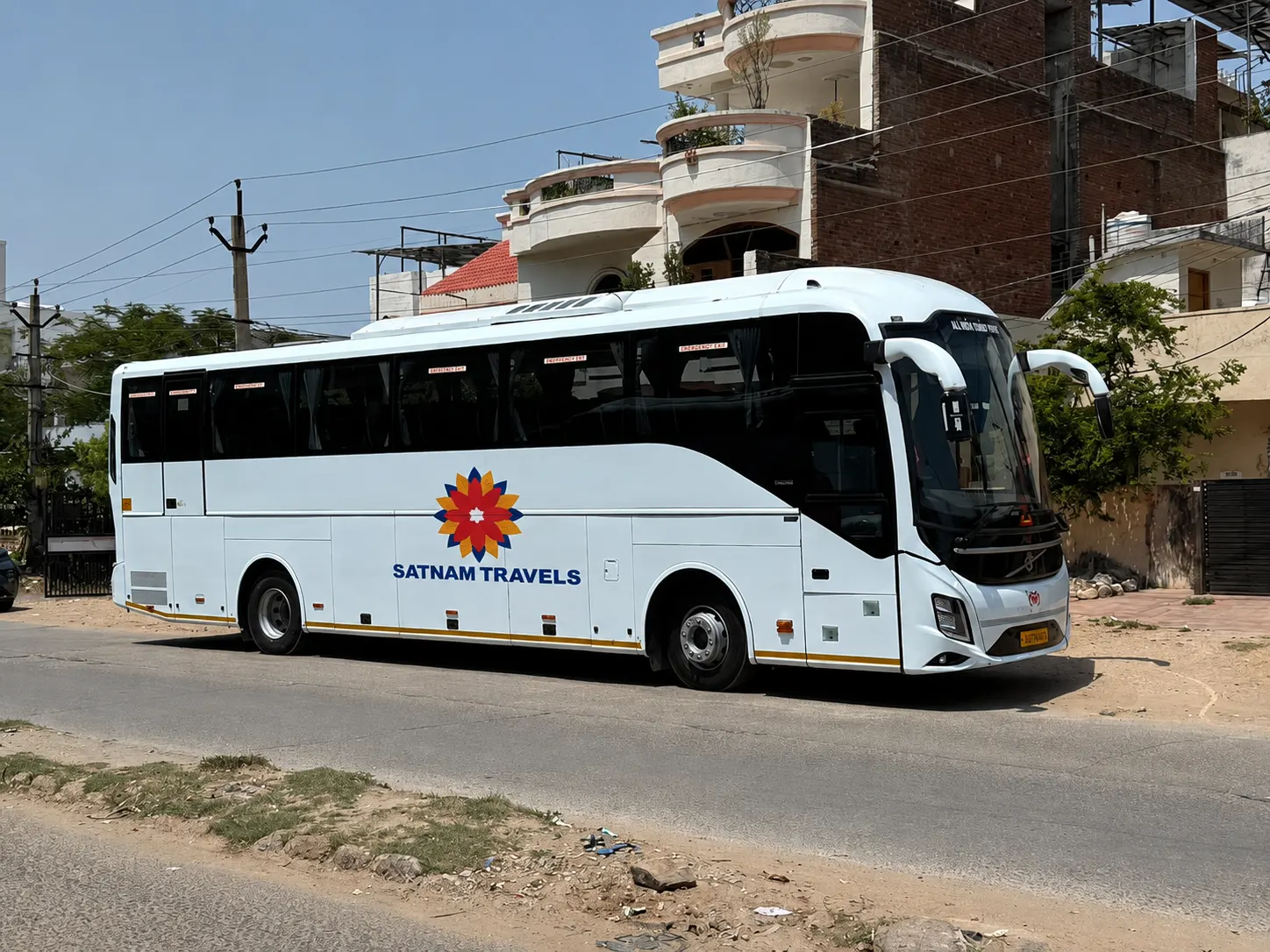
Volvo 9600
- Capacity: 45+ Passengers
- Luggage: Large Under-floor Luggage Hold
- Features: Push-back Seats, Powerful AC, Smooth Suspension, Music System
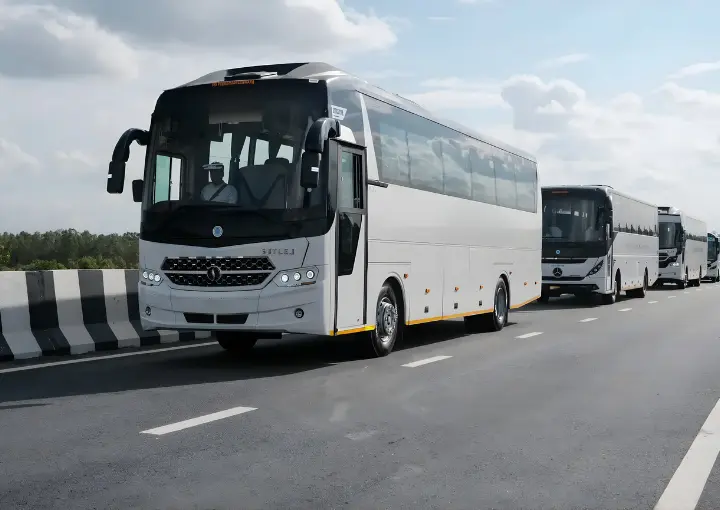
MG Glider Bus
- Capacity: 45+ Passengers
- Luggage: Large Luggage Hold
- Features: Premium Interiors, Powerful AC, Comfortable Seats, Long Route Ready
Best Places to Visit in June in India (2026) – A Real Traveler’s Guide
June is the perfect time to escape the heat in most parts of India and head towards hill stations, monsoon-ready destinations, and cool retreats. From Himachal and Uttarakhand to Kerala and the Northeast, this guide covers the best travel spots for a refreshing summer break in 2026.
Welcome to Satnam Travels
Frequently Asked Questions
Yes, with one condition: choose your destination based on the weather type you can handle. Hill stations and Ladakh are ideal without any caveats. Monsoon destinations in Kerala and Karnataka are excellent if you don't mind rain. The plains - Delhi, Rajasthan (except Mount Abu), Uttar Pradesh - are not comfortable for outdoor travel in June.
Ladakh's higher points (Pangong at 4,350 m, Khardung La at 5,359 m) can drop to 0–5°C at night even in June. Spiti Valley's Chandratal Lake area is similarly cold after sunset. If you want cold and don't want to go that far, Chopta in Uttarakhand (2,680 m) and Kanatal (2,590 m) stay comfortably cool.
Yes. Snow is visible at Rohtang Pass, Baralacha La, Khardung Laand along the Manali–Leh highway. Spiti Valley also has snow at higher passes. The Valley of Flowers in Uttarakhand (accessible from June 1) has snow at its upper end. Auli may have residual snow patches.
Generally, yes. Early June is among the better months for Ladakh because the roads have just opened, the weather is dry and clearand crowds are manageable. The main risks are AMS (altitude sickness) and unpredictable road conditions right after opening. Take acclimatization seriously and check road status before travel. Ladakh is very safe in terms of personal safety - it's a low-crime region.
Munnar (Kerala) in early monsoon has a genuinely romantic atmosphere - the mist, the tea gardens, the waterfalls beginning to form. Coorg is another excellent choice. For those who want cool mountains over greenery, Manali with a day trip to Solang Valley works well. Spiti Valley is increasingly popular for adventurous couples who want something completely different.
Spiti Valley is consistently less crowded than Ladakh. Tawang in Arunachal Pradesh sees very few tourists relative to its quality. Chopta (Uttarakhand) and Kanatal are also quiet. Cherrapunji is undervisited relative to how spectacular it is.
Goa in June is the deep monsoon - heavy rain, rough seas, beaches closed for swimming, most beach shacks shuttered. That said, inland Goa (Dudhsagar Falls, spice farms, old Goa churches) is genuinely worth visiting in the monsoon if you know what you're going there for. The falls at Dudhsagar are at their most dramatic in June–July. But this is not a beach trip.
Connect With Our Fleet Expert Representative will help you.
Welcome to Satnam Travels