Jaipur to Ranthambore Distance: Route, Travel Time & Complete Road Guide
Jaipur to Ranthambore Distance: Route, Travel Time & Complete Road Guide
The Jaipur to Ranthambore distance by road is roughly 180 kilometres. The drive takes 3.5 to 4.5 hours, sometimes less if you leave early enough to beat Jaipur's morning traffic, sometimes more if you don't. You'll find other numbers floating around online 150km, 160km, even 200km on some sites and the variation mostly comes down to which park gate is being measured and whether someone drew a straight line on a map and called it a road distance. It isn't. Via NH52 and Rajasthan State Highway 24 through Tonk, it's 180km. That's what the road actually covers.
The Jaipur to Ranthambore distance by road is roughly 180 kilometres. The drive takes 3.5 to 4.5 hours, sometimes less if you leave early enough to beat Jaipur's morning traffic, sometimes more if you don't. You'll find other numbers floating around online 150km, 160km, even 200km on some sites and the variation mostly comes down to which park gate is being measured and whether someone drew a straight line on a map and called it a road distance. It isn't. Via NH52 and Rajasthan State Highway 24 through Tonk, it's 180km. That's what the road actually covers.
Jaipur to Ranthambore Distance at a Glance
| Detail | Information |
|---|---|
| Road Distance | Approx. 180 km |
| Travel Time | 3.5 to 4.5 hours |
| Best Route | Via NH52 and RJ SH24 through Tonk |
| Nearest Railway Station | Sawai Madhopur (11 km from park) |
| Nearest Airport | Jaipur International Airport (Sanganer) |
| Park Entry Gate | Ranthambore Gate via Sawai Madhopur |
Welcome to Satnam Travels
Best Route from Jaipur to Ranthambore by Road
The route that actually works the one cabs, tourist vehicles and anyone who's done this trip before takes looks like this:
Jaipur → Tonk → Uniara → Sawai Madhopur → Ranthambore
Here's what each part of that drive is like when you're actually sitting in the car.
Jaipur to Tonk (approximately 100 km)
This is where the drive earns its reputation for being easy. Four-lane highway for most of it, decent signage, fuel stations and dhabas at reasonable intervals. Around 1.5 hours in normal conditions. Leave before 6am and you'll clear Sanganer before the city's morning chaos properly sets in. After that the road opens up and stays open. The kind of driving where you relax your grip on the wheel.
Tonk to Uniara (approximately 40 km)
Here's where things change a bit. You leave NH52 and join Rajasthan State Highway 24, which is narrower and less polished. Speed breakers through town centres, occasional rough patches near Uniara nothing dramatic, just not as smooth. Budget 45 minutes and you won't feel rushed. This is also the stretch where most people drive straight through Tonk without stopping, which is genuinely a shame. The Sunehri Kothi is right there. It takes 20 minutes. Almost nobody goes.
Uniara to Sawai Madhopur (approximately 30 km)
Honestly, this might be the nicest part of the drive. Good road, almost no traffic, flat farmland stretching out on both sides. Peacocks by the roadside if you're lucky. This is the stretch where Jaipur finally stops feeling close and you start feeling like you're somewhere different. About 30 to 35 minutes and they pass quickly.
Sawai Madhopur to Ranthambore Gate (approximately 10 km)
Don't mentally write this off as "just 10km." The road narrows through parts of town, the market area is genuinely busy and different resorts sit near different park zones so your hotel will usually send specific directions from this point. Give it 15 to 20 minutes. People who budget 10 minutes for 10km end up stressed at the gate.
Road Conditions: What to Expect
The short version: the road is fine. NH52 between Jaipur and Tonk is well-maintained, resurfaced regularly, no surprises. The state highway between Tonk and Sawai Madhopur has patchy sections but nothing that will rattle a standard sedan or slow down an SUV.
Two things actually worth flagging: The market stretch through Sawai Madhopur is chaotic in the way that small-town Indian markets are chaotic pedestrians, bikes, vehicles, animals, all sharing space with different ideas about right of way. Slow down here and mean it. Not as a precaution as a practical necessity.
Night driving between Sawai Madhopur and the park gatestill to go. One night changes the whole experience between October and March is genuinely inadvisable. Deer and nilgai cross that road regularly after dark. Every resort in the area tells guests this. It's not a liability disclaimer it's just true. If you can time your arrival before sunset, do it.
One more thing: fill up at Tonk. The stretch between Uniara and Sawai Madhopur is thin on fuel options and there's no good reason to be watching the gauge drop on that section.
Scenic Stops on the Way from Jaipur to Ranthambore
The drive doesn't have to be a blank between Point A and Point B. A few places worth pulling over for:
Chandlai Lake - 30 km from Jaipur
A reservoir that attracts migratory birds between November and February. It's not a well-signposted look for it shortly after crossing Sanganer. A 20-minute stop in winter, nothing special outside of it. Easy to miss, which is why most people do.
Bisalpur Dam - slight detour near Tonk
One of Rajasthan's bigger reservoirs, about 30km off the main route from Tonk town. A proper detour, not a roadside pause adds 45 minutes to your day. Worth it if you're not racing a clock, especially if you're travelling with kids who've been sitting in a car for two hours and need something to look at that isn't highway.
Tonk Town
The number of people who drive through Tonk without stopping is a quiet ongoing tragedy. The Sunehri Kothi, a 19th-century mansion with mirrored interiors is one of the strangest and most beautiful buildings on this entire corridor. Almost no one visits it. Entry costs almost nothing. The Archaeological Survey of India runs it. You've got 20 minutes. Use them.
Rameshwaram Dham - near Uniara
A temple complex that sits close to the highway and doesn't ask much of your time. Worth a brief stop if you're travelling with family or if Rajasthan's religious architecture is something you pay attention to. Fifteen minutes at most.
How to Reach Ranthambore from Jaipur: All Travel Options
By Road - Private Cab or Chauffeur-Driven Car
For most people travelling to Ranthambore, a private cab is just the right call. Your schedule, your stops, your return timing built around when the safari ends rather than when the train leaves. One-way drops, round trips, full-day hire with a driver who waits all standard.
If you're travelling as a family with luggage, book an Innova or equivalent. This sounds obvious but it matters. A 4-hour drive in a cramped back seat followed by an early morning safari followed by another 4-hour drive home is a lot. The extra space is worth it.
By Train - Jaipur to Sawai Madhopur
Multiple trains daily between Jaipur Junction and Sawai Madhopur. Express services take 2 to 2.5 hours, often faster than driving. From the station, the park is 11 kilometres, reachable by local taxi or auto.
For solo travellers or couples without much luggage, this is genuinely the better option in many ways. Fast, no parking nonsense, comfortable if you book in advance. For families with luggage, the station-to-park leg adds friction that just doesn't exist with a direct cab.
The Kota Jan Shatabdi and Surya Nagari Express both stop at Sawai Madhopur at times that work for either a day trip or an overnight.
By Bus
RSRTC runs buses on the Jaipur to Sawai Madhopur route. Around 4 to 5 hours including stops. Drop is at Sawai Madhopur bus stand, 11km from the park. Fine for budget travellers without much to carry who aren't trying to hit a specific safari slot time. Less fine for anyone with luggage, children or a morning booking to make.
Self-Drive
Rental options exist in Jaipur for self-drivers who want to go independently. NH52 is well-marked and the state highway section isn't complicated. The main thing to keep in mind is the night driving situation near the park, sort out your return timing before you leave, not on the road back when you're already driving in the dark.
Book Your Jaipur to Ranthambore Cab Now
Ready to plan your Jaipur to Ranthambore trip without the usual hassle? Book a chauffeur-driven cab with Satnam Travels and travel on the exact route that works on time, comfortable and without last-minute surprises. From early morning pickups for safari slots to direct hotel drop-offs, everything is handled so you can focus on the experience, not the logistics. Call or WhatsApp now at +91-7414000073 to get an instant quote and confirm your ride. Limited early departure slots fill fast, secure your cab in advance and travel stress-free.
Best Vehicle Options for Jaipur to Ranthambore Route

Private Cab
- Capacity: 6-7 Passengers
- Luggage: 3-4 Bags
- Features: AC, Comfortable Seats, Ample Legroom, Music System

Innova
- Capacity: 6-7 Passengers
- Luggage: 3-4 Bags
- Features: Reclining Seats, Powerful AC, Airbags, Touchscreen Display

SUV
- Capacity: 4-6 Passengers
- Luggage: 3-4 Bags
- Features: Leather Interiors, Cruise Control, Hill Assist, Powerful Drive

Tempo Traveller
- Capacity: 12-20 Passengers
- Luggage: Large Luggage Space
- Features: Push-back Seats, Powerful AC, Music System, Group Travel Friendly
.webp)
Force Urbania
- Capacity: 9-13 Passengers
- Luggage: Large Hold
- Features: Spacious Cabin, Powerful AC, Comfortable Seats, USB Charging, Safety Features
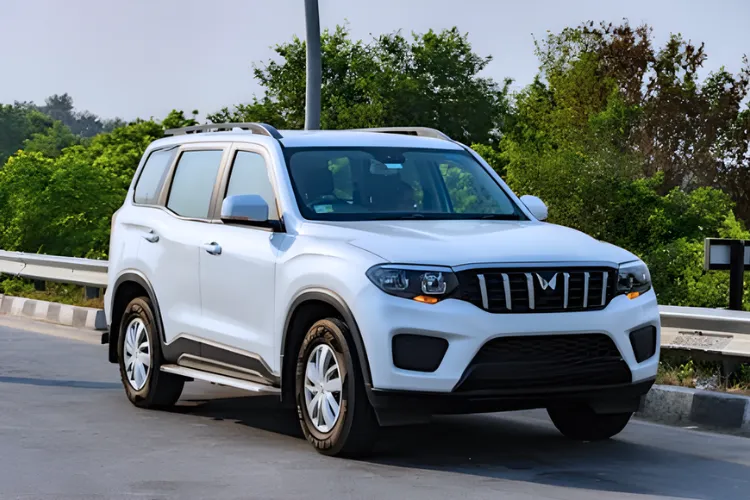
Self-Drive
- Capacity: 6-7 Passengers
- Luggage: 3-4 Bags
- Features: Daily and Multi-day Hire, Insurance Included, Valid Licence and ID Required
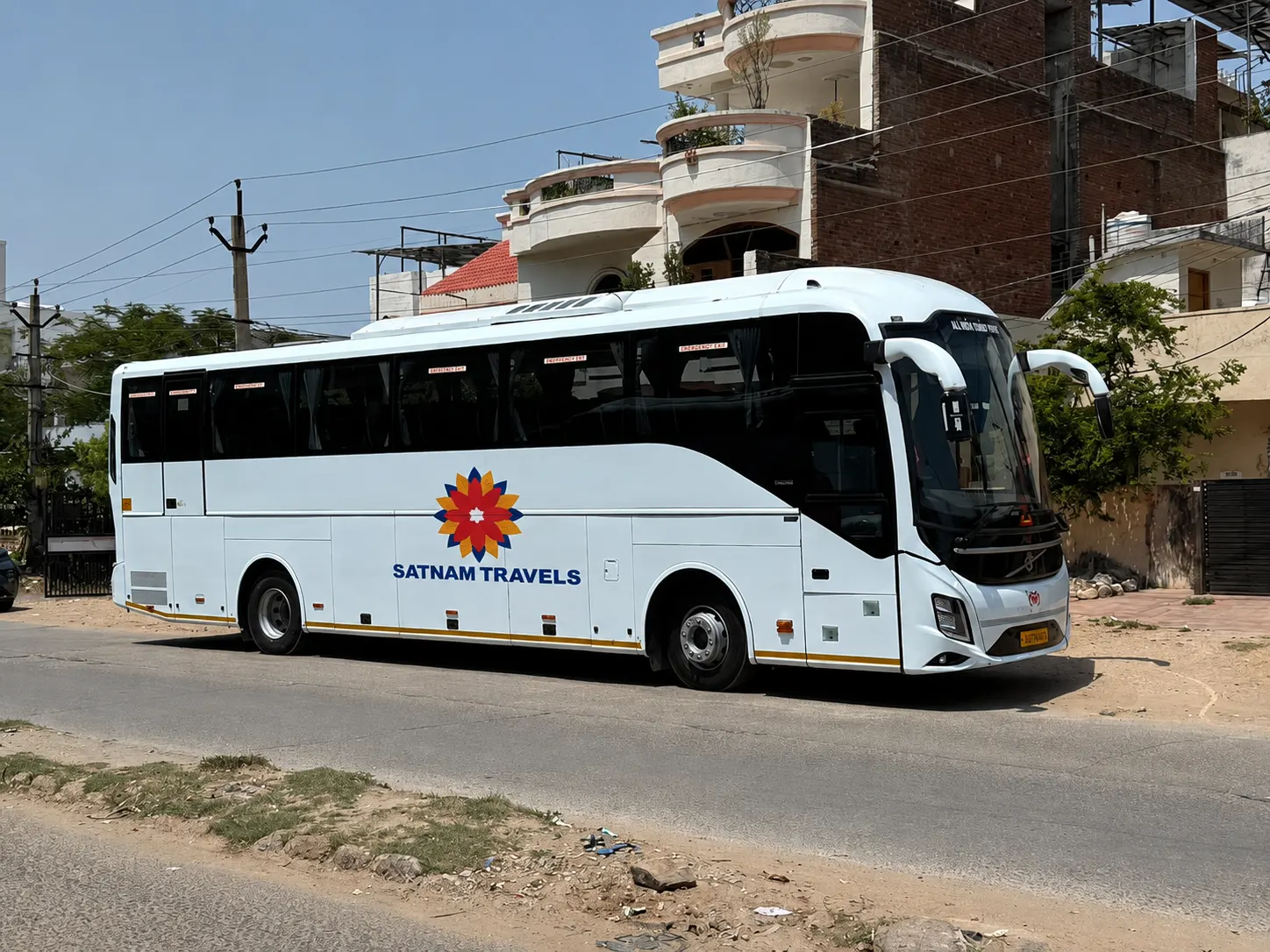
Volvo 9600
- Capacity: 45+ Passengers
- Luggage: Large Under-floor Luggage Hold
- Features: Push-back Seats, Powerful AC, Smooth Suspension, Music System
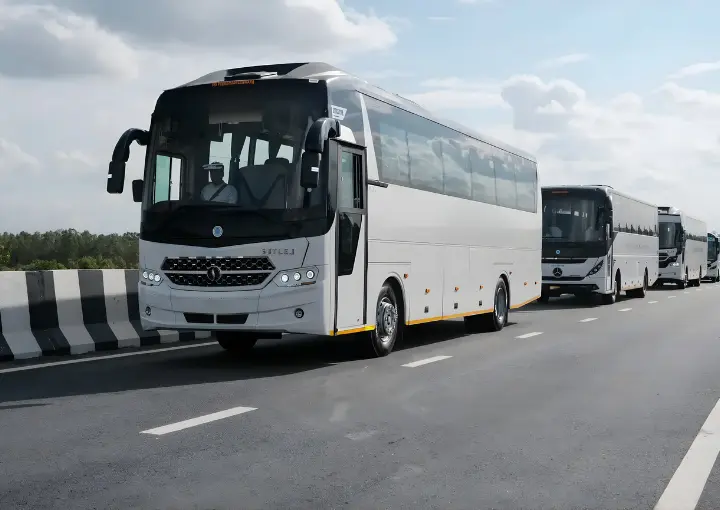
MG Glider Bus
- Capacity: 45+ Passengers
- Luggage: Large Luggage Hold
- Features: Premium Interiors, Powerful AC, Comfortable Seats, Long Route Ready
Best Time to Travel from Jaipur to Ranthambore
The park is open October 1 to June 30. July, August and September are the closed monsoons. No exceptions and no workarounds. Plan within that window.
October to November
Good time. The park reopens after monsoon so the vegetation is lush, temperatures are manageable and wildlife is actively moving. Roads from Jaipur are clear and pleasant. Tiger sightings are solid. Not the most famous window for Ranthambore but it deserves more credit than it gets.
November to February - Peak Season
This is when everyone goes and the reasons are obvious. Cool and dry, good light, tigers that come reliably to water. December and January safari slots fill weeks ahead not days, weeks. If your trip falls here and you haven't booked, check tonight. Arriving during peak season without a confirmed slot is not a situation you can rescue on the da
March to May
Heat climbs but sightings get better, counterintuitively. As water dries up around the park, tigers stop wandering and start staking out what's left Padam Talao, Malik Talao, Raj Bagh Talao. You know where they'll be. April and May mornings in Jaipur are warm enough that a pre-6am departure makes sense for comfort as much as timing.
June
Underrated. Hot, quiet and largely ignored by tourists, which is exactly why it works. The tiger activity near water is still strong for the same reasons it is in May. If you want Ranthambore without the December crowds and inflated prices, June is the honest answer.
What to See in Ranthambore Once You Arrive
The park is 392 square kilometres divided into ten zones Zone 1 through Zone 10 with different terrain and different odds of a sighting depending on where you go. It consistently produces tiger sightings among the best in India and that's based on actual records, not promotional copy.
Ranthambore Fort is inside park boundaries, dates to the 10th century and holds UNESCO World Heritage status. Most safari routes pass near the base. The views over the forest from the top are worth it in their own right, separate from any wildlife.
Trinetra Ganesh Temple inside the fort is one of the rare temples in India where Ganesha is shown with his complete family. It draws heavy pilgrimage traffic year-round. Many Rajasthan families put it on a broader circuit with Khatu Shyamji and Mehandipur Balaji. It's not just a tourist attraction, it's an active place of worship that happens to sit inside a tiger reserve.
Padam Lake and Raj Bagh Ruins are where a lot of the memorable Ranthambore photographs come from. The crumbling hunting lodge at the water's edge, a tiger in the frame if the morning cooperates. Dawn is the time to be here. If there's one spot in Ranthambore that consistently delivers, it's this one.
Jogi Mahal, a forest rest house near Padam Lake, connects the park's current identity as a wildlife reserve to its older one as a royal hunting ground maintained by the Jaipur family. Worth knowing about for context.
Jaipur to Ranthambore Travel Tips
Things that actually affect how the trip goes:
Book safari slots before you book a hotel. This order matters. Slots disappear faster than rooms, especially in peak season. A confirmed bed means nothing if you arrive and find the morning safari is sold out for the next two days.
Carry water and snacks from Jaipur. Tonk has food options on the highway. Between Uniara and Sawai Madhopur, it's sparse. Arriving at the park hungry and thirsty after a 4-hour drive before a safari is an avoidable problem.
5am departure from Jaipur if you're targeting the morning safari slot. The first entry is at dawn. Sawai Madhopur town traffic is slow and unpredictable and has cost people their slot before. Don't let it cost you yours.
Neutral clothing for the safari khaki, olive, brown, grey. Bright colours aren't banned but wildlife responds to contrast and movement. Dressing like you blend in is just practical.
If you're travelling with elderly family members or very young children, plan an overnight stay. The same-day return from Ranthambore after an early safari looks manageable on paper and feels brutal by the time you're an hour out of Sawai Madhopur with three hours still to go. One night changes the whole experience.
Jaipur to Ranthambore Distance: Route, Travel Time & Complete Road Guide
Jaipur to Ranthambore distance is around 160 to 180 km depending on the route you choose. The drive takes approximately 3.5 to 4.5 hours and is one of the most popular wildlife trips from Jaipur, perfect for a jungle safari experience at Ranthambore National Park.
Welcome to Satnam Travels
Frequently Asked Questions
About 180 kilometres, via NH52 and Rajasthan State Highway 24 through Tonk and Sawai Madhopur. The aerial distance is 120 to 130 kilometres, which explains why some sources quote much lower figures saying they're measuring the wrong thing.
3.5 to 4.5 hours in typical traffic. Leave before 6am and you can do it closer to 3. Friday evenings and long weekends add 30 to 45 minutes just getting out of Jaipur.
Jaipur to Tonk to Uniara to Sawai Madhopur to Ranthambore, via NH52 and RJ SH24. Most well-maintained road on this corridor. Most vehicles use it for good reason.
No. Open October 1 to June 30. Closed July through September. That's non-negotiable.
Mostly yes. NH52 to Tonk is smooth. The state highway from Tonk to Sawai Madhopur has the odd rough patch but handles standard vehicles without issue. Don't drive the last stretch to the park gate at night between October and March wildlife crosses there regularly after dark .
November to February for cool weather and consistent sightings. March to May if you want the best actual odds of seeing a tiger heat concentrates them near water and the odds shift in your favour. October is solid too. June is underrated and underbooked.
Connect With Our Fleet Expert Representative will help you.
Welcome to Satnam Travels